
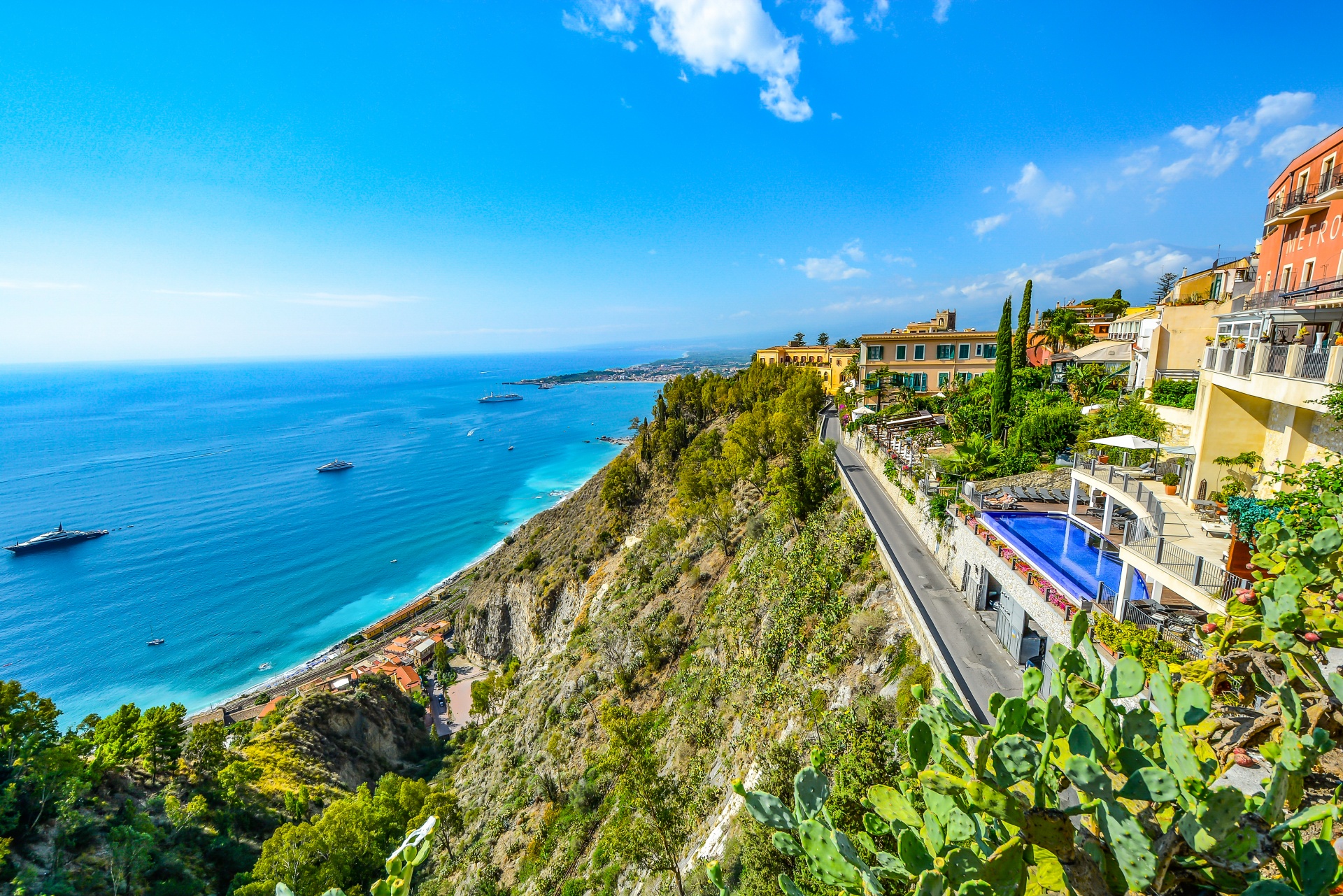
Inspired by our recent exploration of Tenuta delle Terre Nere and a continuing fascination with the wines of Mount Etna.

Among wine enthusiasts, few descriptors are invoked as frequently—and as imprecisely—as minerality. We speak of crushed stone, wet slate, volcanic ash, flint, and smoke as though we can taste the geology itself. Yet the reality is more nuanced. Rocks do not dissolve directly into wine. What we perceive as minerality is not the flavor of basalt or lava, but rather a complex interaction of soil, climate, grape variety, acidity, texture, and aromatic compounds.
Nowhere is this discussion more compelling than on Mount Etna.

An Island Within an Island
The team at Tenuta delle Terre Nere describes Etna as an “island within an island,” a place where nature is both generous and severe, and where the goal is to express the multifaceted microcosm of this ancient volcanic landscape through minimal intervention in the cellar and meticulous attention to vineyard management.
That philosophy resonated deeply during our Terre Nere tasting last year, where the wines demonstrated an uncommon combination of elegance, transparency, and site expression. The tasting reinforced a lesson that Etna teaches repeatedly: volcanic soils alone do not explain these wines. Rather, it is the interaction of volcanic soils with altitude, exposure, old vines, and indigenous grape varieties that creates their distinctive character.

The Etna Difference
When wine lovers first encounter Etna Rosso, they are often surprised.
Despite Sicily’s reputation for warmth and sunshine, Etna’s wines are rarely heavy or overtly powerful. Instead, they often display bright acidity, fine tannins, lifted aromatics, and remarkable precision. During our tasting, several attendees remarked that blind, some of the wines could easily be mistaken for Nebbiolo from Piedmont or Pinot Noir from Burgundy.
This observation is hardly unique.
Etna’s vineyards occupy elevations that create dramatic day-night temperature swings, preserving acidity and aromatic freshness. The mountain’s volcanic history has produced an astonishing patchwork of soils and microclimates, allowing neighboring vineyards to express markedly different personalities.
The result is a wine region where site matters intensely.

Understanding the Myth of Minerality
The common assumption is that volcanic soil produces a “volcanic taste.” While attractive, that explanation oversimplifies the relationship between geology and flavor.
Volcanic vineyards do not magically infuse wines with molten rock aromas. Instead, volcanic soil often influence drainage, root penetration, water availability, heat retention, and nutrient balance. These factors affect vine growth and fruit development, which in turn influence wine character.
What tasters often describe as minerality may actually be a combination of:
- Elevated acidity
- Subtle savory notes
- Reduced fruit sweetness
- Fine phenolic structure
- Saline impressions on the palate
- Aromas reminiscent of smoke, flint, or stone
The wines from Etna frequently exhibit many of these traits simultaneously, making them prime candidates for the minerality discussion.

The Terre Nere Expression
One of the most impressive aspects of the Terre Nere portfolio is the degree to which individual vineyard sites communicate their identities.
The estate emphasizes expressing each variety within its specific terroir while avoiding excessive intervention in the winery. Their work begins in the vineyard, where they focus on careful viticulture to achieve optimal ripeness, allowing a lighter touch in the cellar.
That approach was evident throughout our tasting last Fall, with all six Contrade, or “Crus,” exemplifying the uniqueness of each vineyard site.
Rather than a uniform “house style,” the wines displayed distinct personalities. Certain bottlings emphasized floral delicacy and red fruit purity. Others showcased darker fruit, savory complexity, and greater structural density. Yet all shared a common thread of freshness and energy that seemed inseparable from Etna itself.

Old Vines and a Sense of Place
Another factor contributing to Etna’s growing reputation is the prevalence of old vines, some of which predate the phylloxera epidemic that devastated much of Europe’s vineyards in the late nineteenth century. The region’s volcanic soil and isolation have preserved remarkable vine heritage.
Old vines do not guarantee quality, but they often contribute complexity, concentration, and balance. Combined with Etna’s unique growing conditions, they help produce wines that seem simultaneously powerful and restrained. The three vintages of La Vigna di Don Peppino Etna Rosso (2018, 2020, 2022), a pre-phylloxera vineyard site, that we tasted last Fall resoundingly made the point.

Why Volcanic Wines Matter
The fascination with volcanic wines is not merely about geology. It is about transparency.
In an era when many wine regions pursue consistency, Etna continues to celebrate differences. Vineyard elevation, lava flow history, exposure, and vine age all contribute to wines that invite comparison rather than conformity.
Our Terre Nere tasting last year reminded us that the greatest wines do more than deliver flavor. They convey place. They provoke discussion. They challenge assumptions.
And perhaps that is the real lesson of minerality.
The most compelling volcanic wines do not taste like rocks. They taste like somewhere.
And few places in the wine world possess a stronger sense of identity than Etna.

A Rare Opportunity: The 2023 Vintage Comes into Focus
If our Terre Nere tasting last year demonstrated the remarkable ability of Etna’s vineyards to translate place into wine, our upcoming exploration of the 2023 vintage promises to take that conversation a step further.
Terre Nere describes Etna as a landscape of countless micro-terroirs—a “refined and multifaceted microcosm” shaped by volcanic soils, elevation, exposure, and meticulous vineyard work. The estate’s philosophy remains steadfast: exceptional viticulture first, restrained winemaking second, allowing each site to speak with clarity and precision.
What makes a vertical or vintage-focused tasting of Terre Nere so compelling is that no two years tell exactly the same story. Weather conditions may change, but the underlying character of Etna remains. The question is not whether Etna will reveal itself, but how.
At our upcoming tasting, we will have the opportunity to examine how the 2023 vintage expresses the distinctive personality of this volcanic landscape through wines that have established themselves as benchmarks for the region. As always, the goal will not simply be to evaluate quality, but to understand place—to experience firsthand how vineyard, vintage, and winemaking philosophy converge in the glass.
For those fascinated by the relationship between geology and wine, or for anyone who has wondered whether “minerality” is fact, fiction, or something in between, this tasting offers a rare chance to explore the question where it matters most: through the wines themselves.
After all, the best way to understand Etna is not to read about it.
It’s to taste it.
